
Once to the west coast of Florida & Cayo Costa, we continued north approximately 50 miles to Sarasota. Rather than going offshore (into the Gulf of Mexico) there is an inland route all of the way. It was fairly well marked & deep enough, but very busy with other boats. Florida has one of the highest percentage of boat ownership in the U.S. We have learned to avoid travel on sunny weekends.
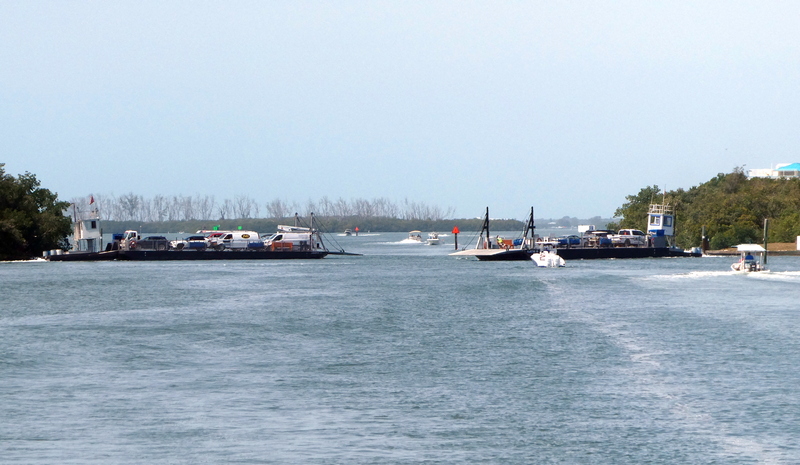
There are a pair of ferries crossing the waterway to Palm Island. Several little boats were playing “chicken” zooming past, not wanting to be delayed for even a few seconds.
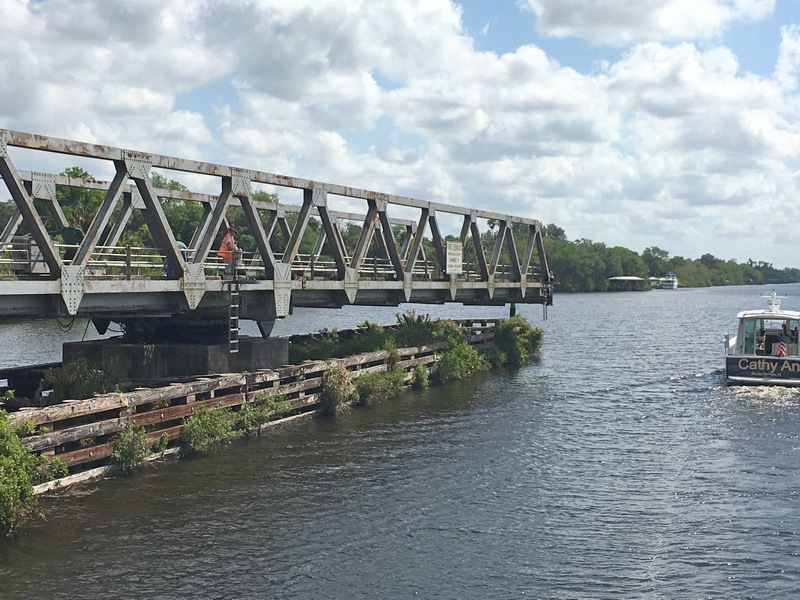
While this bridge tender has a nice building near the roadway, he/she (in the orange vest) must walk out onto the bridge to operate it. That’s nothing compared to a bridge on the “rim route” of Lake Okeechobee (which we didn’t take) in which the bridge tender has to go out & manually crank open the bridge!
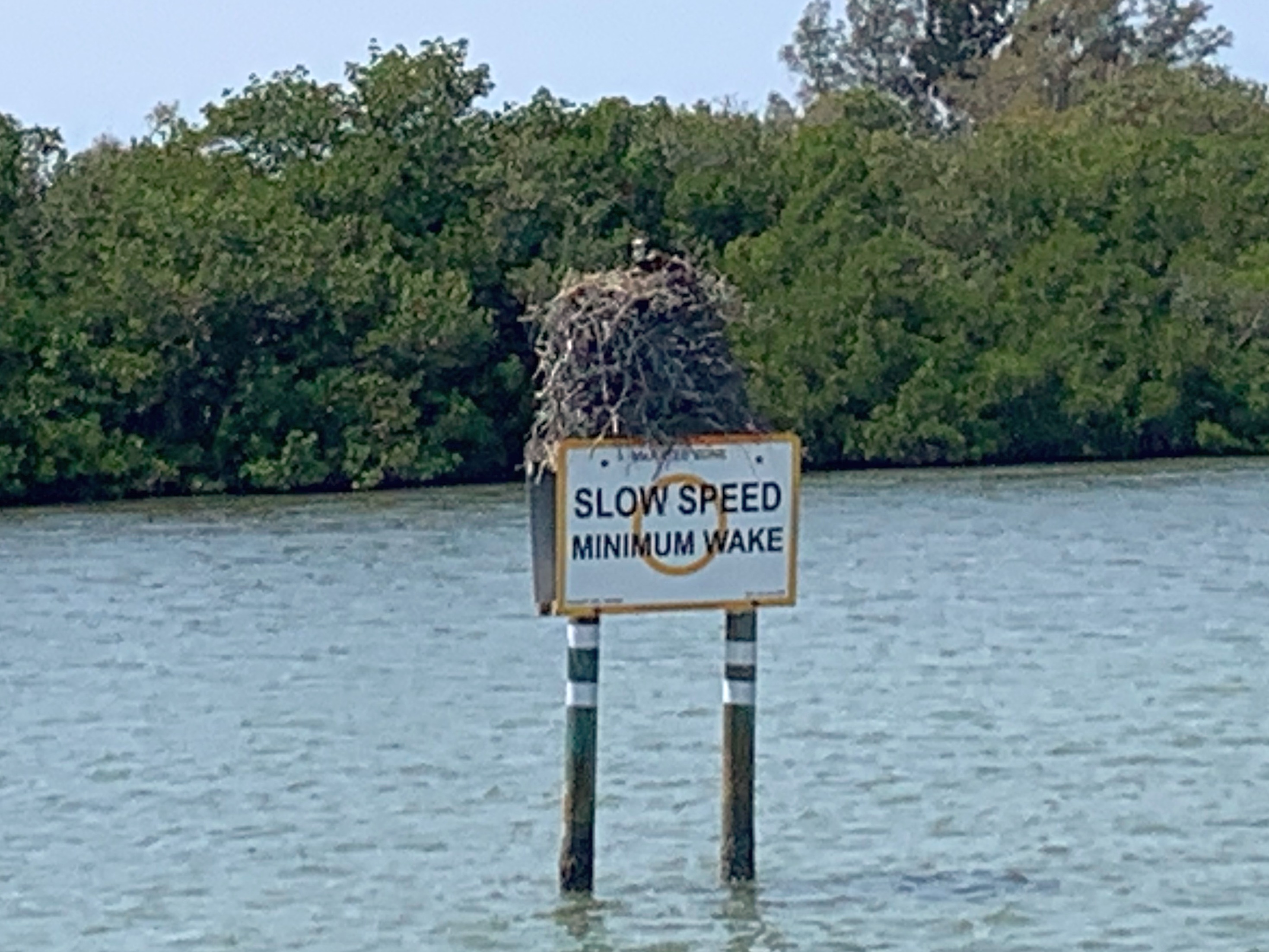
This osprey has built a mighty nest!
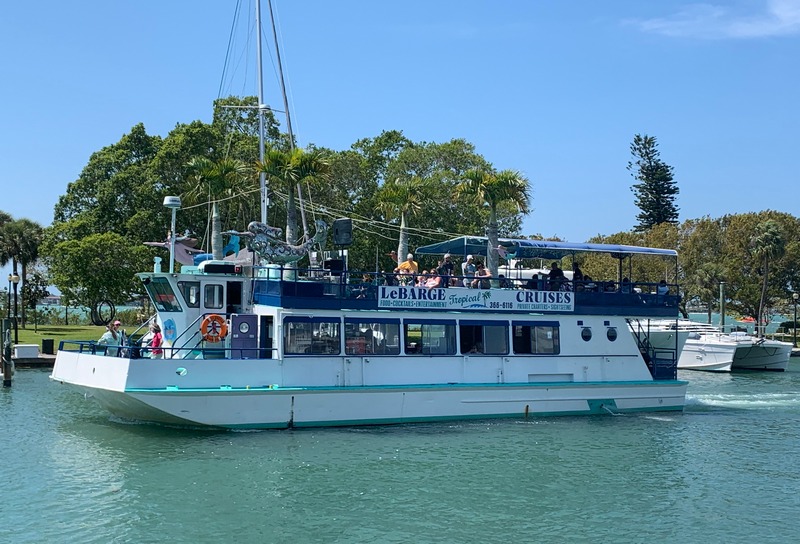
Ahhh … Sarasota at the Marina Jack. All sorts of tourist cruises & activities. There was a constant parade of boats going past our slip including dozens of small boat club rentals. We were last here on our sailing catamaran in 2011.
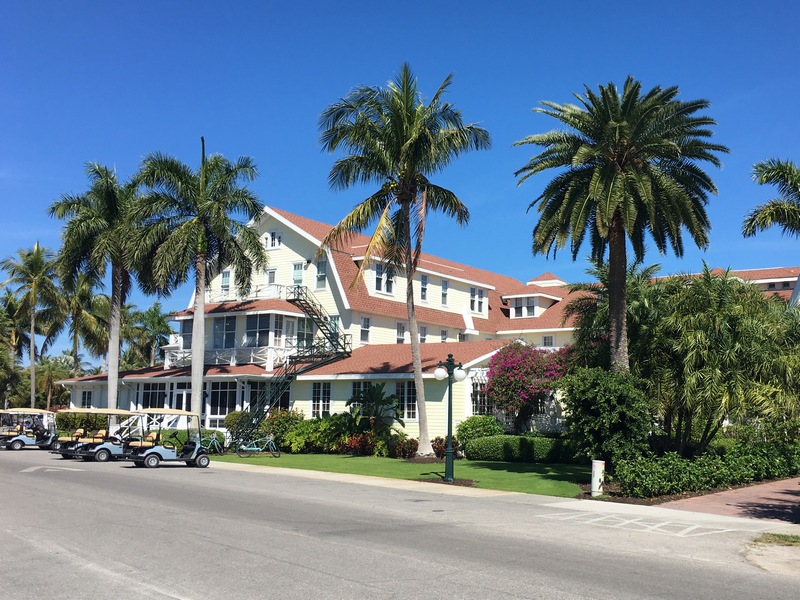
Beautiful Gasparilla Island. We also stopped here in 2011 & loved the fact there were more golf carts than cars & one of the most scenic bike paths, built on an old railway bed. It was nice to see they haven’t changed the colorful street names: Damficare, Damfiwill, Damfino.
Among the highlights of our trip was to enjoy a fabulous evening shoreside at a friends house on Longboat Key. We had met Tom & Kathy at a Barefoot Man concert at Nippers in the Abacos several years ago & it was great to be guests at their beautiful home! It was also amazing to be driven around the island to see the many changes from when my parents had lived there in the ’80’s.
On our way back south past Fort Myers, we were also invited to the home of cruising friends & fellow PDQ owners David & Barb, who also entertained us for the evening at their lovely home which even had a great dock for us to stay at!
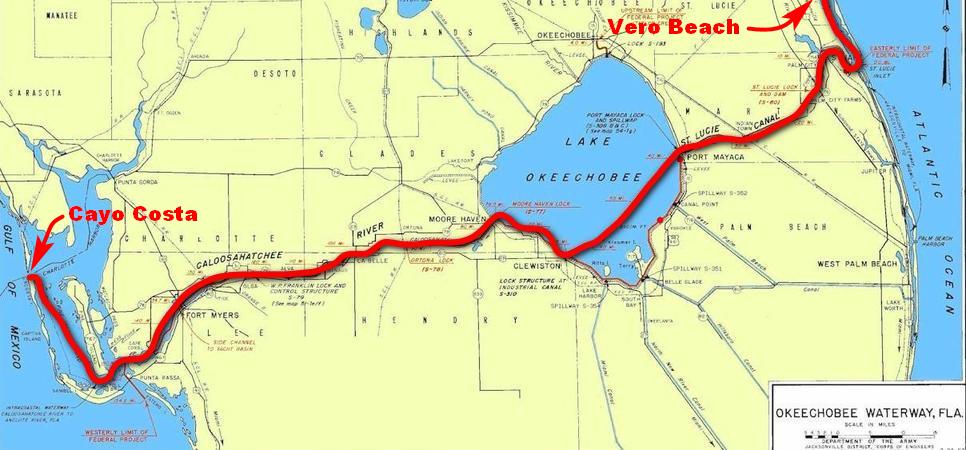
Time to head back across Florida. While we had planned on spending a few more days on the west coast, a cold front is forecasted with high winds for several days which would make Lake Okeechobee very choppy.

 Cruising along the East Coast and Bahamas